Polyurethane (PU): PU is a synthetic polymer that is lightweight and highly water-resistant. It is often used to make clothing, footwear, and outdoor gear.
Uses: PU is used to make a variety of products, including raincoats, jackets, tents, backpacks, shoes, and pool floats.
Applications: PU is used in a variety of applications, including:
Clothing: PU is used to make waterproof and breathable clothing, such as raincoats and jackets.
Footwear: PU is used to make waterproof and comfortable footwear, such as hiking boots and sneakers.
Outdoor gear: PU is used to make durable and weatherproof outdoor gear, such as tents, backpacks, and sleeping bags.
Waterproof Materials Quick Reference Matrix
| Material Name | Key Characteristic | Common Industry | Waterproof vs. Breathable |
| Flashspun Hypak™ | Ultra-Light / Flashspun | Medical, Building, Packaging | Superior & Highly Breathable |
| Polyurethane (PU) | Flexible / Synthetic | Clothing & Outdoor Gear | Waterproof & Moderate Breathability |
| Neoprene | Thermal / Elastic | Watersports & Diving | Waterproof & Non-breathable |
| ETFE | Transparent / Durable | Architecture & Greenhouses | Waterproof & High Transparency |
| PTFE (Teflon) | Non-stick / Resistant | Cookware & Industrial Seals | Waterproof & Chemical Resistant |
Neoprene: Neoprene is a synthetic rubber that is lightweight, flexible, and waterproof. It is often used to make wetsuits, diving suits, and other protective gear.
Uses: Neoprene is used to make a variety of products, including wetsuits, diving suits, gloves, boots, and insulation.
Applications: Neoprene is used in a variety of applications, including:
Watersports: Neoprene is used to make wetsuits and diving suits that protect swimmers and divers from the cold water.
Protective gear: Neoprene is used to make gloves, boots, and other protective gear that protects workers from the cold and harsh conditions.
Insulation: Neoprene is used to make insulation for pipes, buildings, and other structures.
Ethylene tetrafluoroethylene (ETFE): ETFE is a synthetic fluoropolymer that is lightweight, transparent, and waterproof. It is often used to make greenhouses and coverings for buildings.
Uses: ETFE is used to make a variety of products, including greenhouses, coverings for buildings, and medical implants.
Applications: ETFE is used in a variety of applications, including:
Greenhouses: ETFE is used to make lightweight and durable greenhouses that allow for maximum light transmission.
Building coverings: ETFE is used to make lightweight and transparent coverings for buildings, such as roofs and windows.
Medical implants: ETFE is used to make biocompatible medical implants that are resistant to corrosion and infection.
Polyethylene terephthalate (PET): PET is a synthetic polyester that is lightweight, strong, and waterproof. It is often used to make bottles, food packaging, and clothing.
Uses: PET is used to make a variety of products, including bottles, food packaging, clothing, and fibers.
Applications: PET is used in a variety of applications, including:
Bottles: PET is used to make lightweight and durable bottles for water, soda, and other beverages.
Food packaging: PET is used to make flexible and airtight packaging for food products.
Clothing: PET is used to make wrinkle-resistant and moisture-wicking clothing.
Fibers: PET is used to make fibers for textiles, such as fleece and polyester.
Polyvinyl chloride (PVC): PVC is a synthetic plastic that is lightweight, inexpensive, and highly waterproof. It is often used to make raincoats, boots, awnings, and pipes.
Uses: PVC is used to make a variety of products, including raincoats, boots, awnings, pipes, and flooring.
Applications: PVC is used in a variety of applications, including:
Construction: PVC is used to make pipes, windows, and siding for buildings.
Packaging: PVC is used to make flexible and waterproof packaging for food, beverages, and other products.
Footwear: PVC is used to make lightweight and durable footwear, such as rain boots and sandals.
Ethylene vinyl acetate (EVA): EVA is a synthetic copolymer that is lightweight, flexible, and waterproof. It is often used to make footwear, sleeping bags, and insulation.
Uses: EVA is used to make a variety of products, including footwear, sleeping bags, insulation, and padding.
Applications: EVA is used in a variety of applications, including:
Footwear: EVA is used to make lightweight and comfortable footwear, such as sneakers and sandals.
Sleeping bags: EVA is used to make warm and insulating sleeping bags.
Insulation: EVA is used to make insulation for homes, boats, and other structures.
Polytetrafluoroethylene (PTFE): PTFE, also known as Teflon, is a synthetic fluoropolymer that is lightweight, non-stick, and waterproof. It is often used to make cookware, coatings, and seals.
Uses: PTFE is used to make a variety of products, including cookware, coatings, seals, and gaskets.
Applications: PTFE is used in a variety of applications, including:
Cookware: PTFE is used to make non-stick cookware that is easy to clean.
Coatings: PTFE is used to make coatings that are resistant to water, oil, and heat.
Seals: PTFE is used to make seals that are airtight and watertight.
Polyurethane foam (PUF): PUF is a type of polyurethane that is lightweight, flexible, and highly water-resistant. It is often used to make sleeping pads, insulation, and protective padding.
Uses: PUF is used to make a variety of products, including sleeping pads, insulation, protective padding, and packaging.
Applications: PUF is used in a variety of applications, including:
Camping: PUF is used to make lightweight and comfortable sleeping pads for camping.
Insulation: PUF is used to make insulation for homes, buildings, and vehicles.
Protective padding: PUF is used to make protective padding for helmets, gloves, and other equipment.
Silicone rubber: Silicone rubber is a synthetic rubber that is lightweight, flexible, and waterproof. It is often used to make gaskets, seals, and medical implants.
Uses: Silicone rubber is used to make a variety of products, including gaskets, seals, medical implants, and cookware.
Applications: Silicone rubber is used in a variety of applications, including:
Gaskets and seals: Silicone rubber is used to make seals that are airtight and watertight.
Medical implants: Silicone rubber is used to make medical implants that are biocompatible and resistant to infection.
Cookware: Silicone rubber is used to make non-stick cookware that is safe for use at high temperatures.
Experience the future of waterproofing with Hypak™ light weight waterproof material, the industry leader in water-resistant innovation. With our advanced technology and commitment to excellence, we continually push the boundaries of what's possible in waterproof materials. From breathable fabrics to moisture-proof coatings, Hypak™ offers a comprehensive range of solutions designed to meet the evolving needs of various industries. Elevate your products with Hypak™ and stay ahead of the competition with unparalleled waterproofing performance.
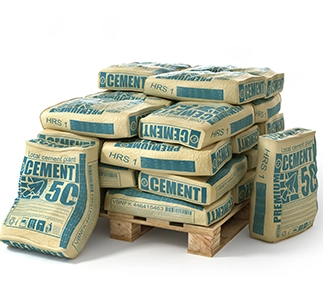
For traditional thermal insulation, Polyurethane Foam (PUF) and EVA are industry standards due to their low density and high R-value. However, for the building envelope where both waterproofing and breathability are critical, Flashspun Hypak™ is the superior choice. Unlike standard foams, it prevents interstitial condensation and mold growth by allowing vapor to escape while maintaining a lightweight structural load.
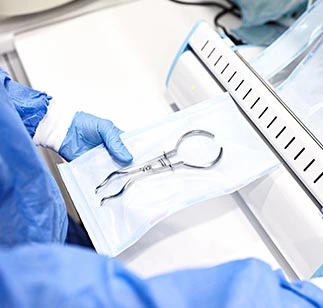
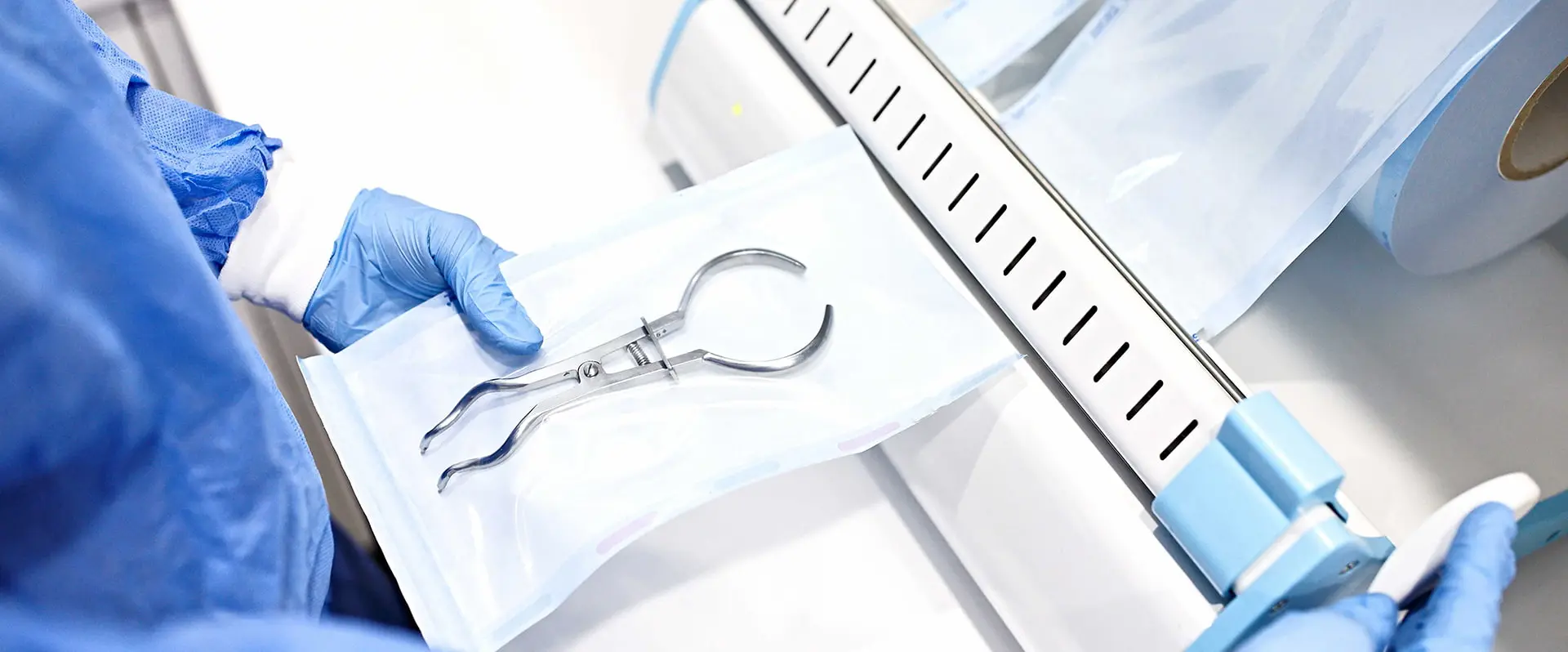
Silicone rubber and ETFE are widely used for medical implants and laboratory equipment due to their exceptional biocompatibility and chemical resistance. For medical sterilization packaging, Flashspun Hypak™ is the industry leader. It provides an unmatched microbial barrier and high tear strength while remaining ultra-lightweight, ensuring medical instruments stay sterile and safe.
The choice depends on the balance of weight and breathability. PVC is cost-effective and highly waterproof but heavy and non-breathable. PU offers better flexibility for apparel. Flashspun Hypak™ provides a unique middle ground: it is significantly lighter than PVC and offers much higher breathability than PU, making it ideal for high-end outdoor protective gear.
Kingwills International Limited
Kingwills International Limited

 EN
EN  ja
ja  ko
ko  es
es ![Kingwills Advanced Materials Was Listed As 36kr's [Hidden Champion]](/uploads/image/20230325/14/kingwills-new-materials-was-listed-as-36kr-hidden-champion.webp "Kingwills Advanced Materials Was Listed As 36kr's [Hidden Champion]")